Health
Opting for laser teeth whitening
September 1, 2010 by publisher · Leave a Comment
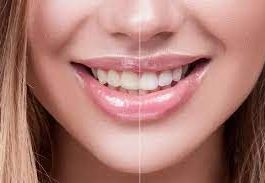
Brushing your teeth can keep them clean, but it cannot always keep them white.Currently there are many methods of whitening teeth. Some are cheap like special toothpaste and some are expensive like porcelain veneers. But one of the methods that lie somewhat in-between is laser teeth whitening.
Although this procedure is available mainly at a cosmetic dentists clinic, it is also sometimes available at a regular dentist’s as well. The procedure is not as long or (comparatively) complicated as installing Veneers. Actually the length of the procedure is dictated by how much your teeth are stained.
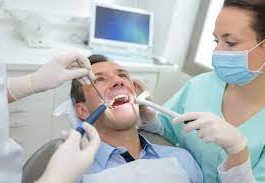
The dentist will begin by cleaning all the surface plaque from the teeth. Then a whitening gel is put on to act as the catalyst in the whitening procedure. The laser is focused on the gel and the gel begins the process of lightening the teeth color. Before the laser is switched on, the patient will be given protective eyewear to avoid any inadvertent mishaps. The entire process from cleaning to whitening should not last more than an hour and most cases ends with just one treatment. However, if there is severe staining a longer time period or another session maybe required to get the desired results.
This procedure is cheaper than installing porcelain veneers, but does not last as long. Short term after effects could range from sore gums to sensitive teeth, but other than that is completely painless. Consult your dentist and get his advice on how you should go about whitening your teeth if you choose to avoid this process and use an over the counter remedy.
2 Great Reasons Why DIM Is Good For You
August 18, 2010 by publisher · Leave a Comment
Many people are at a loss when it comes to eating healthy. While many of us are well aware of the beneficial health effects of fruits and green leafy vegetables not all of us know about the specific properties and plus points of rarely eaten vegetables like broccoli and cauliflower. Cancer prevention diet should certainly contain a lot of vegetables from the cruciferous family. As you would have probably guessed the above mentioned cauliflower and broccoli do belong to the cruciferous family of vegetables.
How do these seemingly innocuous vegetables achieve a major feat like preventing cancer? The answer is DIM. Well, though the term is DIM, the prospects are not all that dim and neither are the circumstances so grim if you decide to incorporate these vegetables in to your daily diet. So what exactly is DIM?
DIM is the acronym for Diindolylmethane. This DIM can not only put off or avert an attack or onset of the deadly disease called Cancer but can also efficiently kill cancer cells as proved in clinical research. So now you know that you need to stock up on these vegetables big time. The secret lies in eating these vegetables regularly because eating them just once in a blue moon would not translate in to any major cancer preventing benefits. DIM has also been found to be useful in preventing the enlargement of the prostate gland which is commonly found in the male sex above the age of 50.
What Is The Effect Of Diindolylmethane On The Human Body?
August 16, 2010 by publisher · Leave a Comment
What if someone told you that you could have the key to your immune system in your own hands and you could manage it as well? Well, it would make you indescribably overjoyed and you would dance with delight, wouldn’t it? Everybody would love to know about a natural immune booster that could boost the immune system of the body to such levels that not even a major fatal disease like Cancer could manage to break your immunity barrier. Well all you need to do is just spend a few cents or dollars to get some broccoli, cabbage, Brussels sprouts or cauliflower. Don’t be surprised by the name of these vegetables. Yes these simple, unassuming and bland vegetables hold a key to your immune system.
The name of that key is Diindolylmethane. These vegetables belong to the cruciferous family which release Diindolylmethane when the compound named glucobrassicin is broken down during digestion. This Diindolylmethane has been said to possess potent cancer preventing properties and can be helpful in preventing cancer if consumed on a regular basis.
Diindolylmethane also known as DIM has numerous other benefits too like in the treatment of HPV or the Human Papilloma Virus, Premenstrual syndrome and BPH or Benign Prostatic Hypertrophy. All these facts point towards the effect of DIM on the hormonal system of the body. There are various DIM supplements in the market nowadays but it is better to consult a medical doctor before using them.
Does any north hollywood dentist offer invisalign?
August 12, 2010 by publisher · Leave a Comment
There are numerous north Hollywood dentist offices who offer excellent cosmetic dental treatments. Dental problems plague humans all over the world. Dental problems need not always be related to diseases of the teeth and the oral cavity. Considering the fact that the face is such an important part of the appearance and of the personality too, any defect or flaw which spoils the visual appeal of the face takes on enormous proportions.
The most common dental flaw which makes people visit an Invisalign dentist Burbank is the misalignment of the teeth. Any bulging or protruding teeth can spoil the appearance of the face and encourage people to desperately locate a cosmetic dentist who can fix the problem. Invisalign is the latest development in the treatment of the misalignment of the teeth. Invisalign is an almost invisible type of aligner that is specifically designed for each client, and helps the teeth to settle in to proper alignment slowly and gradually.
If you want to locate an Invisalign dentist in Burbank, the best method is to search the internet using the phrase Invisalign Burbank dentist . Invisalign is considered to be better than the conventional methods like braces and veneer, which were used to align the teeth previously. The best part about Invisalign is that it is designed according to specific client requirements. The teeth get aligned gradually and the Invisalign is more comfortable and effective too. They are transparent and cannot be noticed by others.
Consult An Invisalign Dentist For Misaligned Teeth
August 12, 2010 by publisher · Leave a Comment
Oral and dental problems are of numerous kinds. While many of them are related to diseases of the gums, the decay of the teeth etc, there are equally common numbers of structural disorders of the teeth too. An Invisalign dentist is a cosmetic dentist who deals especially with such kinds of structural disorders of the teeth, misalignment of the teeth to be precise. Misalignment of the teeth is not merely a cosmetic issue. Incorrect alignment between the teeth could also lead to several problems like improper chewing of food, which in turn can cause gastro-intestinal disorders too.
Invisalign is a comparatively new method of treating the misalignment of the teeth. The conventional method of treating such alignment issues is to fit braces. These braces not only look visually unappealing but also create great discomfort to the users. The initial phase after fitting the braces is quite painful, and great difficulty is experienced while chewing, talking brushing etc. The Eagle Rock dental group provides numerous cosmetic dental services. These include the Invisalign treatment, dental implants, veneers, whitening of teeth etc, just to mention a few examples.
The Eagle Rock group also has proved to be best among the general dentists Los Angeles and offer a wide variety of services like composite fillings, porcelain caps, bridging of gaps in the teeth with porcelain, porcelain veneers etc. Patients of all age groups including children are also treated here for their respective dental problems. In addition to the cosmetic fixing, they also provide treatment for the general periodontal diseases too.
Say No to drug addiction
July 21, 2010 by publisher · Leave a Comment
It’s no wonder the saying ‘Prevention is better than cure’ applies to almost every area of our lives. Take for example, the state of drug addiction. If you ask several addicts if they were given the chance to go back and change it all, most of them would admit to wanting to do so.
The word ‘change’ again applies to our lives at many levels. And in the case of the addict, a slew of alcohol rehabs are at their disposal to make a fresh start if not make that slow uphill climb back to the peak of sobriety. And it does take a lot of work and will power on the part of the patient as many will affirm.
But is it better that one did not get involved in taking drugs at all?
The answer to that is a resounding ‘Yes’ as an addiction is never planned but just happens, thanks to one’s affinity to a particular drug. So it’s better to not get involved at all!
However, for those who have already reached that stage where they depend on the drug fully, an addiction treatment program is in order. This program has to cater to their individual needs as each patient takes drugs for a particular reason that is not the same as another patient.
Cirque Lodge understands these concepts of addiction, and has been treating patients in the areas of recreational and prescription drugs successfully.
Top 5 Foods to Build Muscle
July 6, 2010 by admin · Leave a Comment
If you are looking to build some hard and lean muscles for a better and healthier figure, you should already know that it doesn’t just take exercise and weights to do the trick. Nutrition is a vital factor to muscle – building, even if you are not looking to get the body of a wrestler, and would just like to gain a lean but firm build. While a balanced diet consists of carbohydrates, carbohydrates and vitamins and minerals, it is important to remember that amino acids build muscles, and amino acids are the building blocks of protein. Here are top 5 foods to build muscle for a firmer and leaner you:
Lean white meat: We could have put red meat first, but white meat is always healthier and contains less fat. White, lean meat can be found in turkey meat and chicken breasts. Notice how chicken breast is muscular and fibery? That’s the result you want for your muscles: more fiber, less fat.
Red meat: From time to time, eat red meat. It is high in b vitamins, zinc and iron to make really strong muscles.
Legumes and soy: Take a break from all that meat, and put some legumes and soy in your diet. Tofu is a great source of high protein, and you can prepare it in versatile ways. Legumes are a great source of protein, and of fiber.
Egg whites: Eggs, if no one’s ever told you yet, contain the highest biological protein. Biological protein simply means your body can use up this protein without having it to go through several bodily processes.
Avocadoes: These fruits, among all fruits, contain the highest levels of protein for a fruit. They help build mass while giving the body its supply of friendly fats, called monounsaturated fatty acids. These fats burn bad fats in your body and replace them with lean protein. Avocadoes are also a great fruit for your vitamin needs.
Safe and Natural Pain Relief
July 1, 2010 by admin · Leave a Comment
Headaches, period pains and toothaches can attack you anytime of the day and can really hamper your ability to function optimally. While it could be easier to reach out for a couple of over-the-counter Ibuprofen, there’s nothing that could beat natural and side-effect-free relief for pain and discomfort. Ibuprofen and other NSAIDs (nonsteroidal anti-inflammatory drugs) do a great job of relieving pain, but they also cause irritation in your stomach. Read on for a few suggestions for safe and natural pain relief that don’t only take away your discomfort but also give you a feeling of well-being:
1. Devil’s claw: Bone and muscle pain, like the kind you get from arthritis and shoulder, neck and back pain can be soothed by Devil’s claw. The analgesic effect is brought about by the herb’s ingredients iridoid glycosides and harpagoside. It can be taken in as tea or as tincture.
2. Capsaicin: This herb is an analgesic by helping the body release endorphins. Capsaicin is found in hot peppers and is added to commercial analgesic creams that are meant to relieve nerve and joint pain. It’s “hot” so avoid touching your eyes when using creams with capsaicin. When ingested, it relieves gastric pain and digestion problems. You can eat a few peppers or add cayenne to your food to add capsaicin into your diet.
3. Green tea: It’s readily available and it has been used for centuries for its great health benefits. Green tea helps with digestion, and relieves muscle pains.
4. Gingerroot: This is another herb for mild digestive pain and fibromyalgia. Ginger also helps relieve sore throat pain.
These are just some of the herbs you can stock up on for a natural way to relieve pain and discomfort.
Why Medical Studies Are Often Wrong
June 22, 2010 by admin · Leave a Comment
How Bad Math Haunts Health Research
How many times have you heard people exclaim something like, “First they tell us this is good or bad for us, and then they tell us just the opposite”?
In case you need more confirmation for the “iffy-ness” of many health studies, Dr. John Ioannidis, a researcher at the University of Ioannina in Greece writing in the Journal of the American Medical Association, recently analyzed 45 well publicized studies from major journals appearing between 1990 and 2003. His conclusion: the results of approximately one third of these studies were flatly contradicted or significantly weakened by later work.
There’s the well-known story of hormone replacement therapy, which was supposed to protect against heart disease and other maladies, but apparently does not. A good part of the apparent effect may have been the result of attributing the well-being of upper middle class health-conscious women to the hormones.
Another bit of health folklore that “everybody knows” that has turned out to be unfounded is vitamin E’s protective effect against cardiac problems. Not so says a recent large study. And how about red wine, tea, fruits and vegetables? Surely the anti-oxidant effect of these wondrous nutrients can’t be doubted. Even here, however, the effect appears to be more modest than pinot noir lovers, among others, had thought. And certainly many lung patients who inhale nitrous oxide and swear by its efficacy will be surprised to learn that a larger study does not show any beneficial effect.
Faulty Statistics and …
A common procedure to remove fat from neck arteries, prescription drugs used by millions of people, the herb echinacea … The examples extend beyond those in the JAMA article and go on and on, but the general point is that a single health study by itself cannot be taken as indubitable. The totality of the available evidence, appropriately weighted, is what counts, and this balanced appraisal is difficult to fit into a news article, much less into a catchy headline.
One obvious problem is that studies vary in size and quality. Some are well-designed, others are not, yet most media reports give all of them the same status — the medical variant of “astonomers say one thing, astrologers another, so let’s hear from both.” Margins of error, low correlations, or very large ones that mask confounding variables seldom make it into the lede of news stories, whereas “X will cure you” or “Y will kill you” always seem to.
Another issue is that many health studies rely on self-reporting, which is notoriously unreliable. The average number of sex partners reported by heterosexual males, for example, is almost always considerably larger than the average number reported by heterosexual females. Certainly if these numbers, which should be equal, are so out of whack, it’s hard to put too much credence into sex surveys as a whole. Similar bias results if people are asked whether their incessant drinking of green tea has lessened their angina.
… Misleading Psychology
And the evaluation of all studies must contend with wishful thinking: people naturally want to believe in the value of new treatments, sometimes so much that their critical faculties are dulled or extinguished altogether. For an extreme example consider the studies on the purported effectiveness of prayer.
In the other direction, people often over-react to bad news and fall subject to the “tyranny of the anecdote.” For example, TV viewers see parents keening about the unfortunate effect of some vaccine on their child and give little weight to the hundreds of thousands of children who’ve benefited from the same vaccine.
A distinction from statistics is marginally relevant. We’re said to commit a Type I error when we reject a truth and a Type II error when we accept a falsehood. In listening to news reports people often have an inclination to suspend their initial disbelief in order to be cheered and thereby risk making a Type II error. In evaluating medical claims, however, researchers generally have an opposite inclination to suspend their initial belief in order not to be beguiled and thereby risk making a Type I error. There is, of course, no way to always avoid both types of error, and we have different error thresholds in different endeavors.
Moreover, the questions health studies address are often subtly different so seemingly contradictory or confirmatory results are difficult to compare and evaluate. Also sobering is the realization, acknowledged by the JAMA author Ioannidis, that there’s no conclusive proof that the results of later studies will not also be rescinded or modified.
So what should you conclude about, say, a small new study that flavonoids in dark chocolate help lower blood pressure? It’s your call, but realize how credible you find this chocolate study may say more about your psychology than the biochemistry of chocolate.
As I’ve written before (although with a different number), it’s been conclusively established that 43.58871563% of all statistics are made up on the spot.
— Professor of mathematics at Temple University, John Allen Paulos is the author of best-selling books, including “Innumeracy” and “A Mathematician Plays the Stock Market.” His “Who’s Counting?” column on ABCNews.com appears the first weekend of every month.
Another way to cut medical costs
June 21, 2010 by admin · Leave a Comment
Split your pills More health insurers are endorsing the practice, but some physicians say it’s risky.
Smart shoppers can’t resist a two-for-one sale. But should you purchase prescription drugs the same way you buy pizza or canned corn? For years, people who take daily medications have saved money by asking their doctors to prescribe pills with double the dose they need, which they then cut in half with a knife.
Although skeptics say the practice may be unsafe, a growing number of health insurers are encouraging patients to split pills as a way to combat the rising costs of prescription drugs. In June, UnitedHealthcare, one of the nation’s largest managed-care companies, advised members in Wisconsin to discuss pill splitting with their physicians. The insurer plans to introduce the program nationwide before the end of the year.
“Consumers are asking what they can do to bring their costs down,” said Tim Heady, chief executive of UnitedHealth’s Pharmaceutical Solutions drug benefit business. “This program provides better access to important drugs and can improve compliance with these medicines by helping them to be more affordable and accessible to more people.” U.S. Veterans Administration hospitals and some state Medicaid programs also ask patients who are prescribed certain medications to split pills.
But although the practice can save money for insurers and patients alike, is tablet splitting a good idea? Representatives for the pharmaceutical industry and drugstore owners say no. Other experts insist that, in some cases, medical consumers can divide and prosper.
Splitting pills saves cash because of a strategy employed by the pharmaceutical industry called “flat pricing.” Although a gallon of milk costs considerably more than a half gallon, there is often little or no price difference between high and low dosages of medications. For instance, drugstore.com recently offered 10 tablets of 100-milligram Viagra for $93.99, which is the same price it charged for an equal number of 50-milligram Viagra tablets.
Drug manufacturers use flat pricing to keep consumers from switching to cheaper brands if they need to increase dosage, said Dr. Michael P. Cecil, a Covington, Ga., cardiologist whose book “Drugs for Less” lists about 100 pills that can be safely cut in half as a way to battle the rising costs of prescription drugs.
According to the Henry J. Kaiser Foundation, spending on prescription drugs in the United States rises more than 10% a year. Patients who pay for their own medications can reduce their drug bills by up to 50% with pill splitting. For example, someone who halves a double dose of the top-selling cholesterol-lowering drug, Lipitor, could save close to $600 a year. But even people whose health insurance covers prescriptions may be able to save a few dollars. For instance, UnitedHealthcare members who agree to split pills are only required to pay half the usual out-of-pocket co-payment for their medications; a typical $25 co-payment drops to $12.50.
Get Penis Enlargement Pills
Offers Safe and Potent Doctor Approved Formula that Increase penis length by 3-4″ and girth by 1″.
The savings for healthcare companies can also be substantial. The Veterans Administration, for example, trimmed $46.5 million from its annual drug tab in 2003 simply by asking patients to split Zocor, a cholesterol drug. “We were able to treat two patients for the price of one,” said pharmacist David Parra, of the Veterans Affairs Medical Center in West Palm Beach, Fla.
Drug manufacturers and pharmacies oppose pill splitting, arguing that it’s too difficult to divide a tablet into equal halves, especially for the elderly and people with poor vision or arthritis. The Pharmaceutical Research and Manufacturers of America, an industry organization, and the National Assn. of Chain Drug Stores discourage the practice. “It’s a lot of responsibility to put on the patient and doctor,” said Jeff Trewhitt, a spokesman for the pharmaceutical group. “We strongly urge that pill splitting not be pursued.” Neither Trewhitt nor Mary Ann Wagner, vice president of pharmacy regulatory affairs for the chain drugstores group, could provide estimates of how much money their respective industries would lose if pill splitting became more widespread. But a 2000 study estimated that if all Americans who take just the 12 most commonly prescribed psychotropic drugs — which include antidepressants and antipsychotics — split pills, consumers would save nearly $1.5 billion.
Some doctors oppose tablet splitting too. Emergency room physician Charles Phillips said he has opposed the practice since some of his patients who were Kaiser Permanente members in Fresno began telling him that they were required to chop double doses of certain medications. When he examined their drug bottles, he was alarmed to find pill fragments of all sizes. “They’d go from big, to little, down to dust,” said Phillips, who was a plaintiff in a 2002 lawsuit questioning the legality of managed-care provider Kaiser Permanente’s pill-splitting program, which it began in the early 1990s. (The lawsuit was unsuccessful; Kaiser spokeswoman Beverly Hayon said the insurer’s pill-splitting program has been voluntary since its inception.)
Critics such as Phillips charge that splitting a pill too often produces unequal fragments, leading to erratic dosing. A review last fall in the Medical Letter on Drugs and Therapeutics found that trained pharmacists are at best able to divide tablets into roughly equal halves about two-thirds of the time, even when using pill cutters available in drugstores. In one experiment, just 27% of tablets divided equally. However, properly chosen pills can be split as a way to save money, said Dr. Gianna Zuccotti, deputy editor of the Medical Letter.
Many drugs remain active in the body for a long time, so subtle variations in dosage won’t make much difference, she said. In fact, Parra and colleagues recently published a study in the American Journal of Cardiology showing that patients at six V.A. hospitals who split Zocor had cholesterol levels similar to those of patients who took whole pills. Zuccotti suggests splitting pills one at a time and taking the second half as the next dose (rather than chopping up a month’s worth and tossing the fragments back in the bottle) to be sure you don’t take too much or too little medicine at once. Don’t split pills with a knife or razor, said Parra, because it’s easy to slip and cut yourself. “Definitely use a pill splitter,” he said.
Most pharmacies carry a few kinds; Cecil recommends buying one with a clear cover and a V-shaped tip, which allows more precise placement of the pill. Certain pills should not be split, including capsules; enteric-coated tablets; extended-release pills; and pills that combine two drugs in which one dose increases with tablet size but the other does not. What’s more, some drugs have a “narrow therapeutic index,” meaning that tiny changes in dosage can dramatically change their effects. To be safe, always talk to your doctor or pharmacist.